Facelift Scars Healing Timeline & Care Guide: From Day 1 to 1-Year Post-Op
Facelift Scars Healing Timeline
When considering or recovering from a facelift (rhytidectomy), one of the most common concerns patients have is the appearance of surgical incisions and scarring. Because incisions run along the hairline, around the ear (tragus), and behind the earlobe, it is completely natural to feel anxious during the early recovery period.
However, surgical scar maturation is a well-defined biological process: Inflammatory → Proliferative → Maturation phases. With precise surgical techniques and proper post-operative care, facelift scars fade significantly, softening into virtually undetectable, pale lines.
Here is a comprehensive, stage-by-stage guide on what to expect from your facelift scars from day one to one year post-surgery.
📌 Quick Summary
How long does it take for facelift scars to fade?
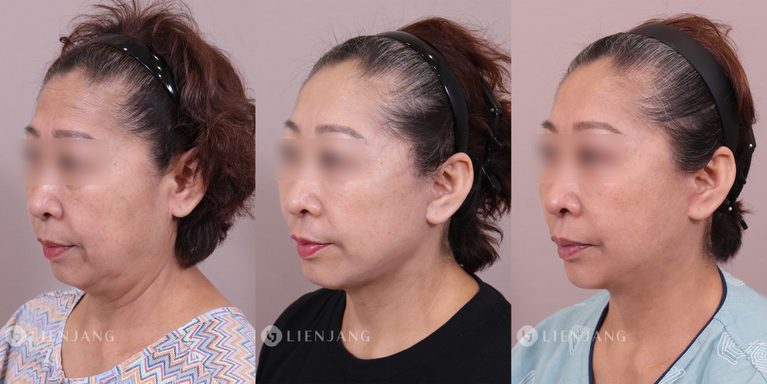
Facelift scars typically peak in redness and firmness between 1 to 3 months post-op (the proliferative phase). They begin to soften and lighten significantly by 6 months, and reach final maturation at 1 year, becoming thin, pale, and concealed within natural anatomical contours and hair follicles.
Stage-by-Stage Facelift Scar Recovery Timeline
1. Weeks 1 to 2: Initial Healing & Wound Closure
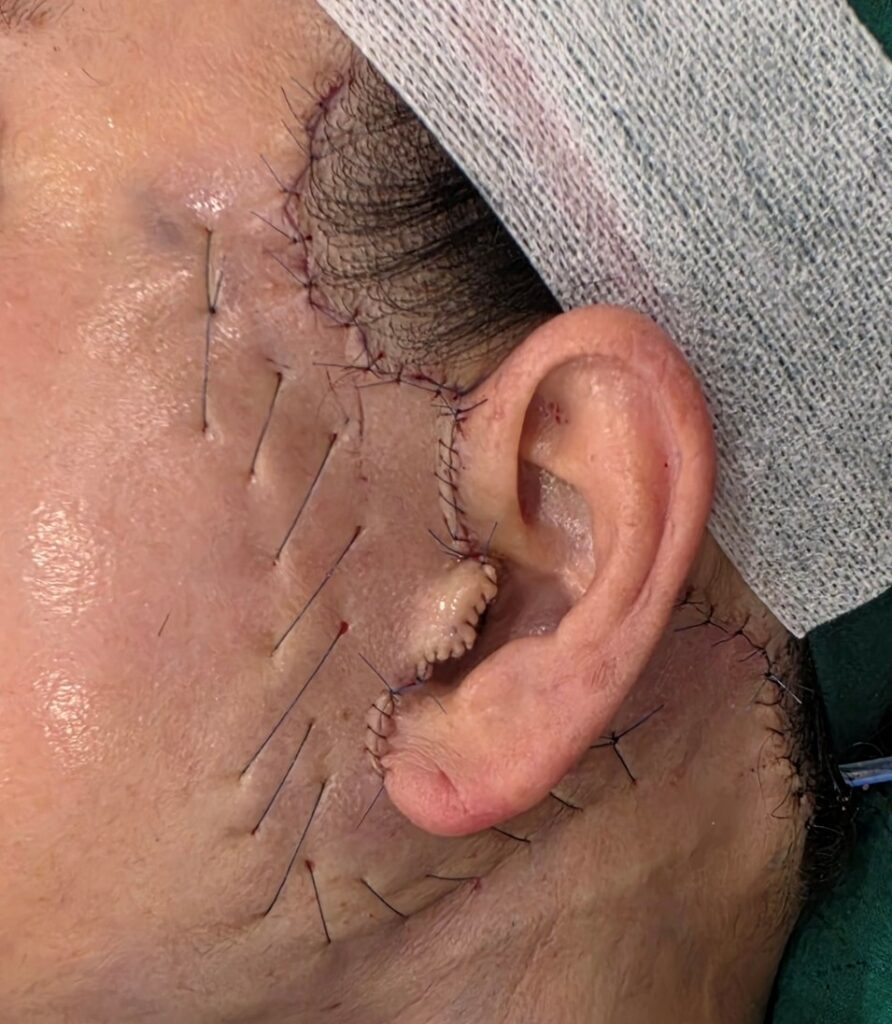
- Scar Appearance: The incisions are fresh, secured by sutures (or surgical clips), and may look pink/red with minor crusting, bruising, or swelling. A hemostatic net or compressive dressing may be used during the first few days to minimize hematoma risk.
- Sensations: Mild tightness, tingling, or temporary numbness around the ears and cheeks.
- Key Care Protocols:
- Sutures are typically removed between Day 7 and Day 10.
- Keep incision sites dry and clean. Apply prescribed topical antibiotic ointment as directed.
- Avoid any premature picking or rubbing of crusts.
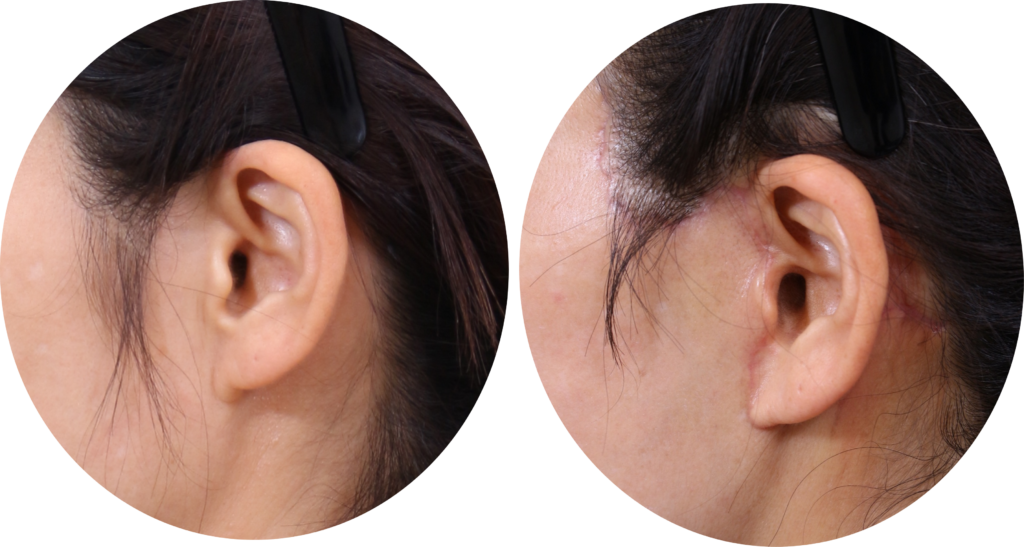
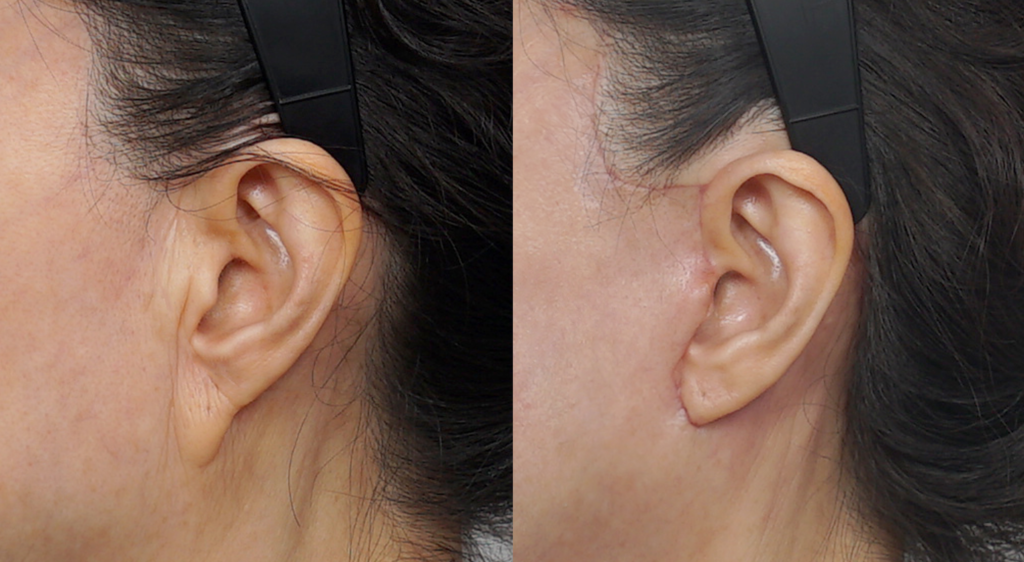
2. Months 1 to 3: Proliferation & Peak Redness (The “Active” Phase)
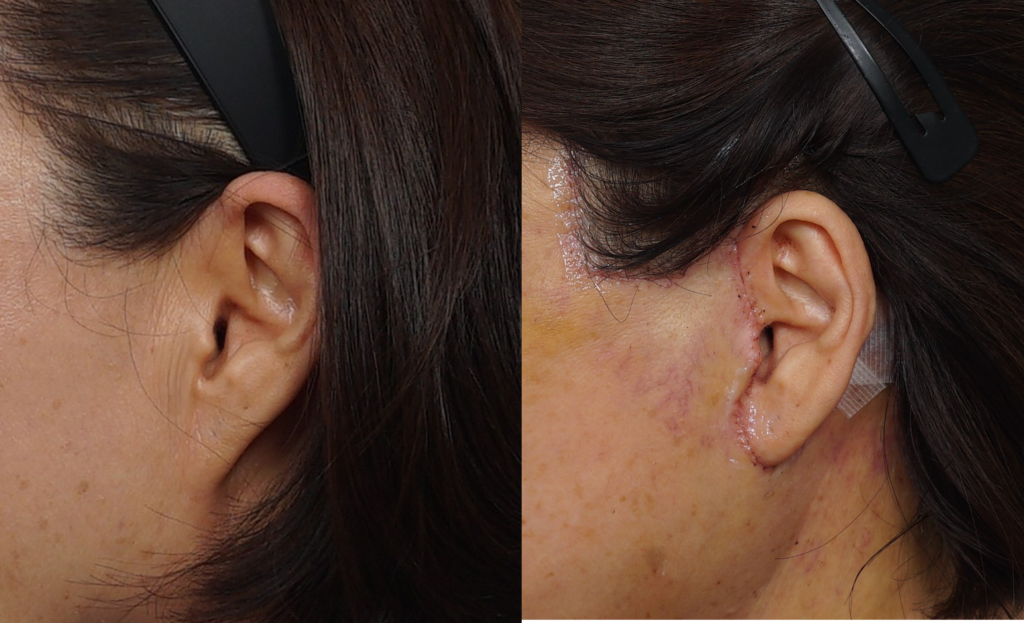
This is the stage where patients often worry the most. The body is actively producing collagen fibers to rebuild tissue strength, which causes the scar tissue to temporarily thicken and turn noticeably pink or red.
- Scar Appearance: Incisions appear at their reddest, feel firm or slightly raised to the touch (induration), and may feel bumpy along the ear contour.
- Sensations: Itching, tightness, or shooting twinges as peripheral sensory nerves regenerate.
- Key Care Protocols:
- Silicone Scar Care: Once fully epithelialized and free of scabs, start daily application of medical-grade silicone gel or silicone sheeting.
- Strict Sun Protection: UV exposure at this stage triggers hyperpigmentation. Apply broad-spectrum sunscreen (SPF 50+/PA++++) and wear wide-brimmed hats when outdoors.
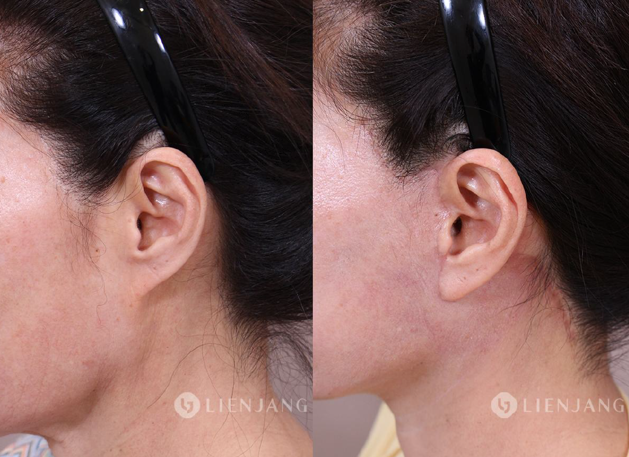

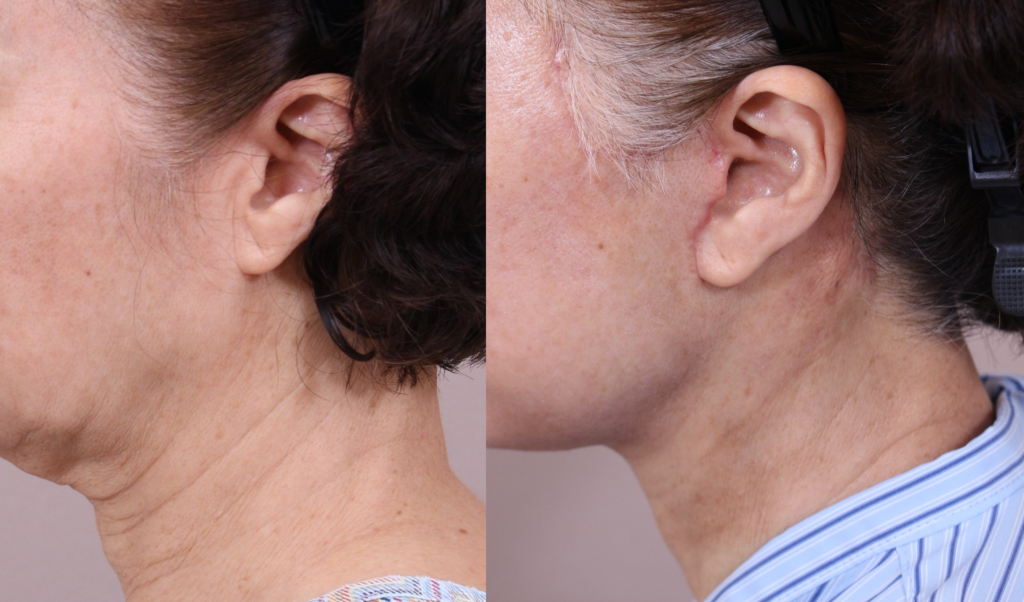
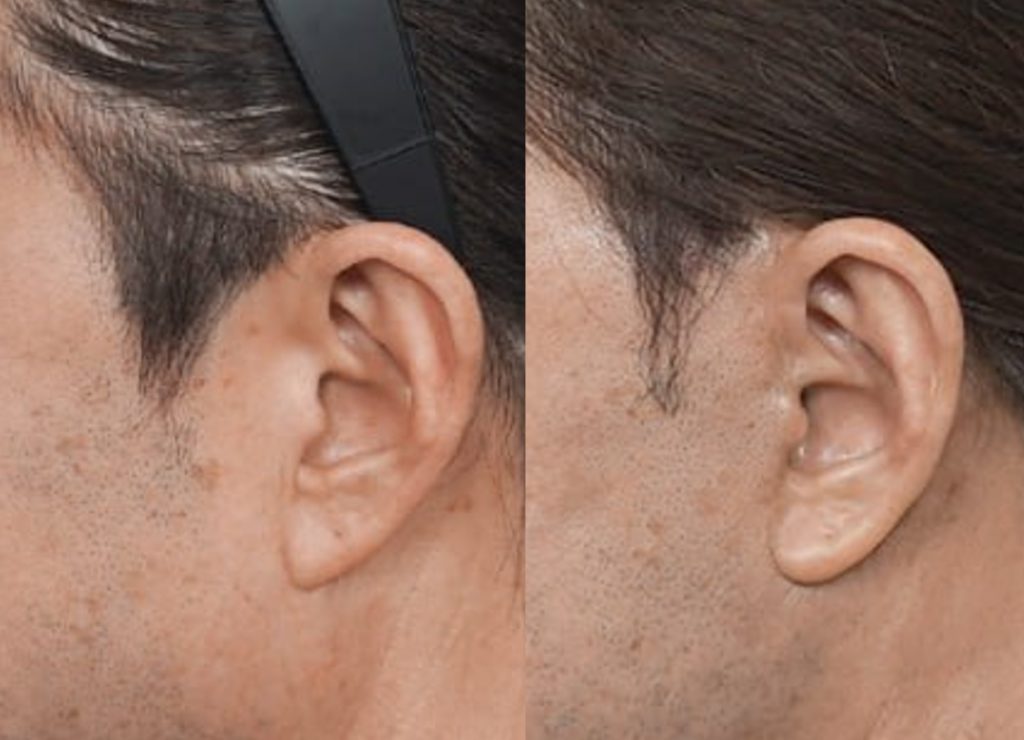
3. Month 6: Tissue Softening & Color Fading (Maturation Entry)
- Scar Appearance: Excess collagen begins remodeling and aligning. The vivid redness fades into a soft pink or light skin tone. The firm, raised texture flattens out significantly.
- Sensations: Tightness decreases, and normal skin sensation gradually returns.
- Key Care Protocols:
- Continue silicone gel regimens and daily moisturization.
- In-clinic scar management (such as vascular lasers or gentle scar massage) may be incorporated if individual healing tendencies require extra refinement.
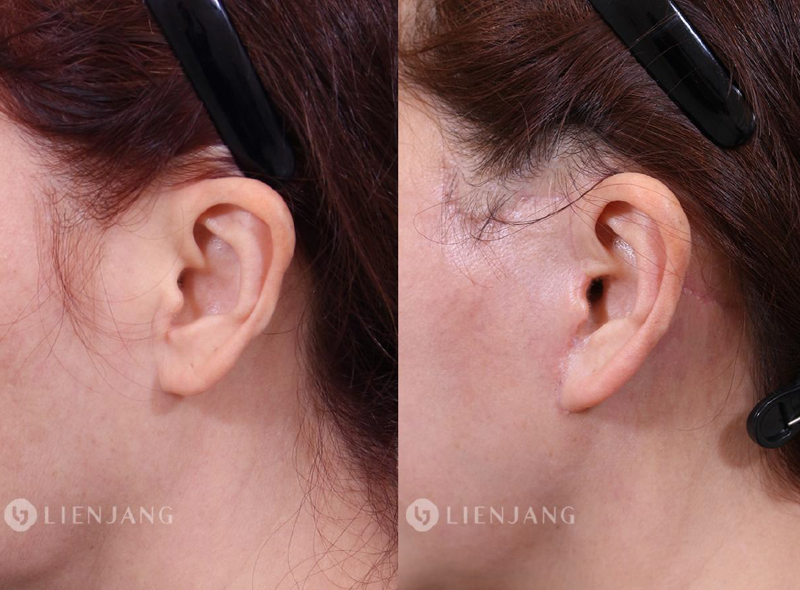
4. 1 Year and Beyond: Final Maturation & Invisible Integration
- Scar Appearance: The remodeling phase is complete. The scar transitions into a fine, soft, pale silvery-white line that blends seamlessly into the preauricular crease, retroauricular groove, and hairline.
- Concealment: At conversational distance, mature incision lines are practically invisible to the naked eye.
- Key Care Protocols:
- Maintain routine skincare and ongoing UV defense.
3 Essential Rules to Minimize Facelift Scarring
| Priority | Protocol | Clinical Purpose |
| 1. Strict UV Defense | Apply broad-spectrum SPF 50+ every 2–3 hours when outdoors for the first 6 months. | Prevents UV-induced post-inflammatory hyperpigmentation (darkening of scars). |
| 2. Medical Silicone Therapy | Apply silicone gel or sheets consistently for 3 to 6 months post-suture removal. | Retains stratum corneum hydration and suppresses hypertrophic collagen overgrowth. |
| 3. Minimize Wound Tension | Avoid aggressive neck turning, wide jaw opening, or intense physical strain early on. | Prevents physical stretching or widening of the delicate incision margins. |
Frequently Asked Questions (FAQ)
Q1. Will my ear shape change or become a “Pixie Ear”?
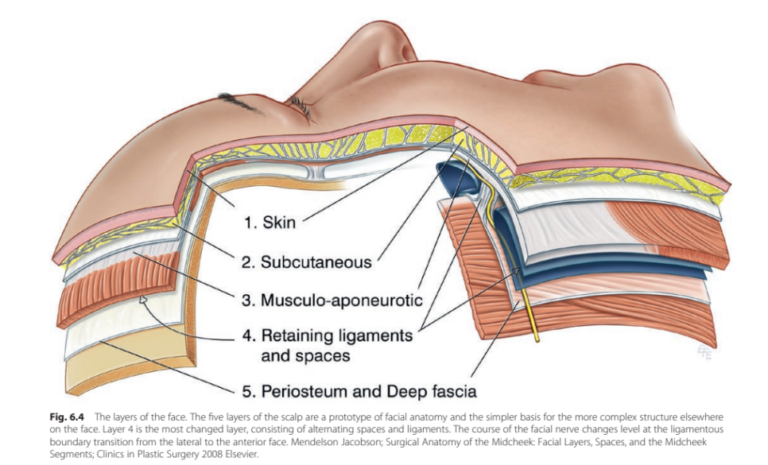
A properly executed deep-plane or SMAS facelift places zero tension on the skin closure. All structural lifting tension is anchored deep within the SMAS and retaining ligaments. This technique prevents downward skin dragging and completely protects the natural curve of the earlobe.
Q2. When can I cover my facelift scars with makeup?
Light makeup can generally be applied to the surrounding skin after suture removal (around 10–14 days), provided the incisions have closed without open scabs. Avoid applying heavy foundation directly over healing incisions until cleared by your surgeon.
Q3. When can international patients travel back home?
Most overseas patients can safely fly home after stitch removal (7 to 10 days post-surgery). Post-op follow-ups and scar progress can easily be monitored remotely via digital consultations.
Consultation & Inquiries


Medical Disclaimer:The content provided on this blog is for informational and educational purposes only and does not constitute medical advice, diagnosis, or treatment. Individual surgical results may vary, and all medical or surgical procedures carry inherent risks. Always seek the advice of a qualified healthcare provider with any questions regarding a medical condition or treatment options.