Facelift Recovery & Post-Op Care: 12 Essential FAQs Answered by a Plastic Surgeon
Facelift surgery is one of the most effective procedures for reversing facial aging, restoring crisp jawlines, and smoothing deep contours. However, a successful transformation depends on both precise surgical execution and diligent post-operative care.
To help you navigate your healing journey with confidence, Dr. Jihwan Kim addresses the 12 most frequently asked questions regarding facelift recovery, timeline expectations, scar management, and daily care.

⚡ Quick Facelift Recovery Summary (At a Glance)
- Initial Healing: Major swelling and bruising peak at 48–72 hours and subside significantly within 2 to 3 weeks.
- Drain & Garment Care: Surgical drains are removed within 24–48 hours; compression garments are worn for 2 weeks.
- Numbness & Tightness: Temporary nerve numbness and tissue tightness (bio-bonding) resolve gradually over 3 to 6 months.
- Final Results: Natural contours and fully matured scar lines settle between 6 to 12 months.
1. Facelift Recovery Timeline & Physical Sensations
Q1. How long does it take for my face to look natural, and when will sensation return?
Initial surgical swelling and bruising peak within 48 to 72 hours, fading noticeably within 2 to 3 weeks. Most international patients feel comfortable returning to work or public outings by the 14-day mark.
By 3 months, facial expressions relax completely. Subcutaneous tissue firming (known as bio-bonding) softens, and sensory nerve regeneration occurs over 3 to 6 months. Temporary numbness, mild itching, or a “tight skin” sensation are completely normal as microscopic nerves heal.
💡 Medical Note: Nerve regeneration occurs at a micro-level. Mild itching or sudden “tingling” sensations around weeks 4–8 are healthy signs of re-innervation!
Q2. Are surgical drains (JP drains) mandatory after a facelift?
Yes. In comprehensive SMAS facelifts involving deep tissue dissection, surgical drains act as an essential safety mechanism:
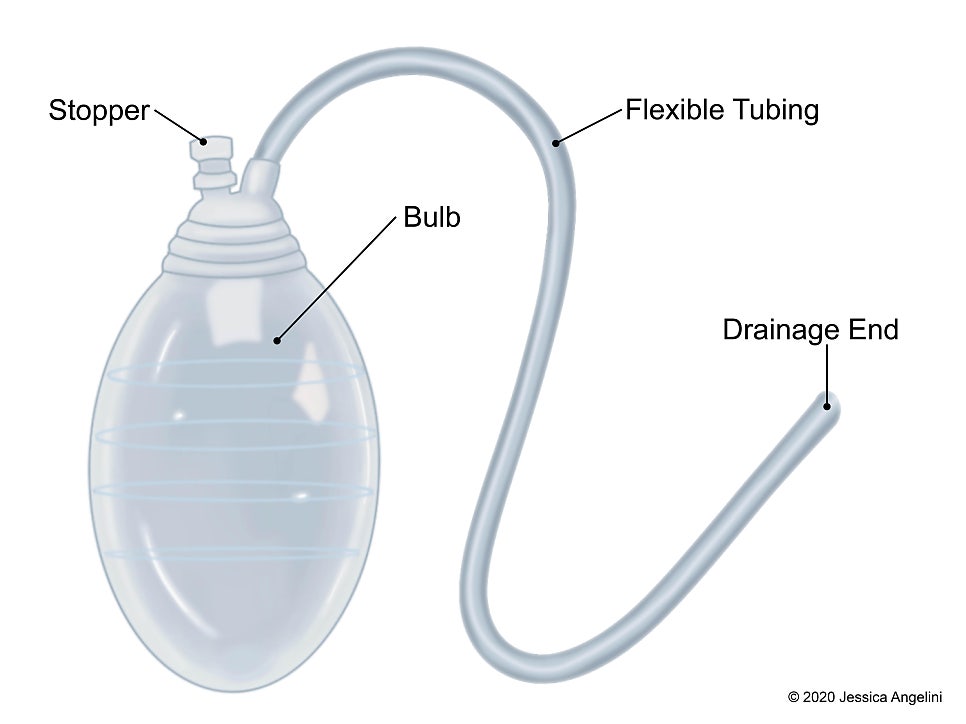
- Fluid Evacuation: Removes accumulated serous fluid and micro-blood, drastically reducing hematoma risk.
- Tissue Adhesion: Continuous mild negative pressure encourages deep anatomical layers to adhere firmly.
- Monitoring: Allows your surgical team to closely monitor post-operative bleeding.
Drains are typically removed within 24 to 48 hours post-op once fluid output drops below a safe threshold.
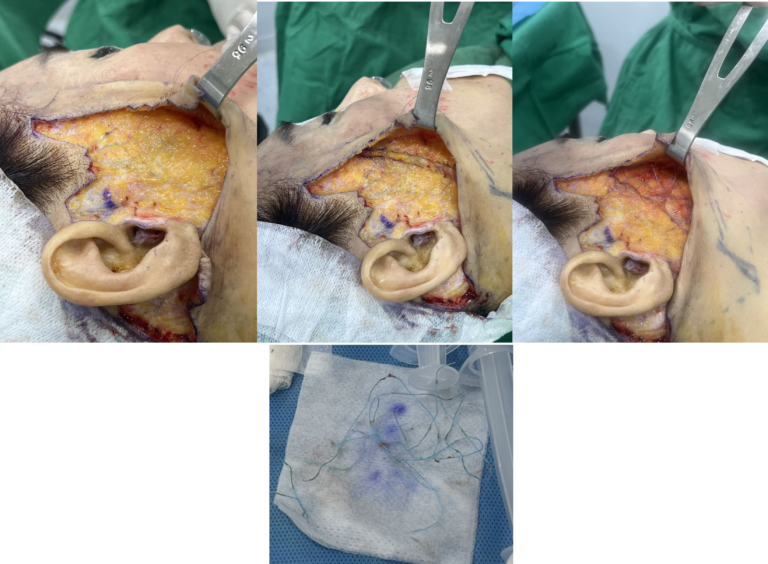
However, with advanced surgical techniques such as a hemostatic net (progressive tension suturing), dead space under the skin flap is closed internally during surgery. This significantly minimizes blood and serous fluid accumulation, substantially reducing the duration a JP drain is needed—or even eliminating the need for a drain altogether in appropriate candidates.
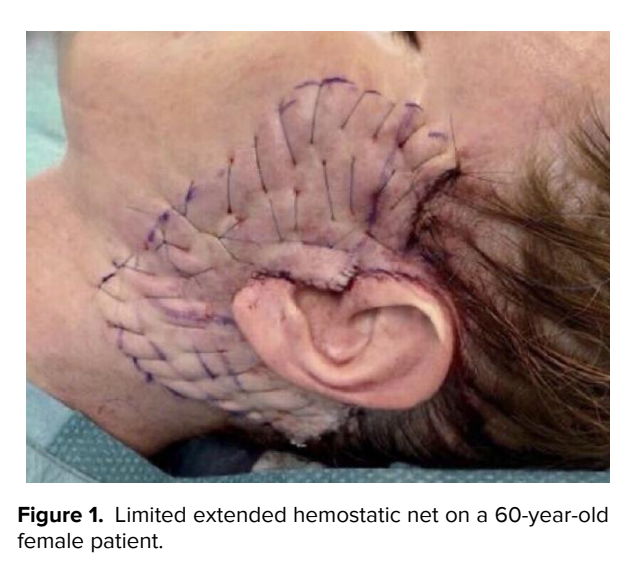
Janssen TJ, Maheshwari K, Sivadasan A, Waterhouse N. Hemostatic Net in Facelift Surgery: A 5-Year Single-Surgeon Experience. Aesthetic Surg J. 2023;43(10):1106–1111. doi:10.1093/asj/sjad097
Q3. Do I need to sleep upright on my back after surgery?
For the first 14 days, you must sleep strictly on your back with your head elevated at a 20° to 30° angle (using 2–3 soft pillows or a wedge pillow).
Head elevation prevents venous pooling in facial tissues, accelerating lymphatic drainage and reducing morning swelling. Sleeping on your side during early recovery risks asymmetric pressure on incision lines and skin flaps.
2. Facelift Recovery – Daily Care, Hygiene & Aftercare Guidelines
Q4. When can I wash my hair, and when is it safe to color or perm my hair?
You may gently wash your hair starting 3 to 4 days post-surgery, provided surgical drains have been removed and specific precautions are taken:
- Protection: Apply waterproof medical tape over incision lines behind and in front of the ears.
- Washing Method: Lean back (salon style) to avoid bending forward, which increases facial pressure. Use mild, baby shampoo and lukewarm water.
- Drying: Blow-dry strictly on a COOL air setting. Heat must be avoided because numb scalp tissue cannot feel temperature, leading to accidental thermal burns.
Hair dyeing, perming, or chemical treatments should be postponed for at least 4 to 6 weeks until incisions are fully sealed.
Q5. When can I use saunas, steam rooms, or body scrubs?
Avoid saunas, hot tubs, steam rooms, and vigorous body scrubbing for a minimum of 4 weeks.
High heat causes vasodilation (blood vessel expansion), increasing the risk of delayed bleeding, prolonged swelling, and infection. Excessive friction near surgical areas can disrupt healing collagen matrixes.
Q6. How do I minimize scar visibility after a facelift?
Facelift incisions are meticulously hidden along natural anatomical contours (the tragus, earlobe crease, and hairline). Scar maturation follows a 3-step cycle:
- Weeks 1–2 (Closure): Keep incisions clean and hydrated with prescribed antibiotic ointment.
- Weeks 3–12 (Remodeling): Apply medical-grade silicone gel or silicone sheets daily to flatten raised scar tissue.
- Months 3–12 (Maturation): Redness fades into a pale, near-invisible line. Strict UV protection is mandatory.

Q7. How long should I wear the facial compression garment?
Wear your compression garment continuously for the first 48 hours post-op. From day 3 through week 2, transition to an intermittent schedule (2 hours on, 30 minutes off, and lightly overnight).
⚠️ Caution: Compression garments should fit snugly like a supportive embrace, never causing sharp pain or throbbing. Excessive tightness can restrict microvascular circulation.
Q8. Is sunscreen necessary over fresh incision scars?
Yes, absolutely. Fresh scar tissue lacks normal melanin protection and is extremely prone to post-inflammatory hyperpigmentation (PIH) when exposed to ultraviolet light.
Begin applying a mineral-based physical sunscreen (Zinc Oxide / Titanium Dioxide, SPF 30+) starting 2–3 days after suture removal. Upgrade to SPF 50+ broad-spectrum protection by week 4 and maintain sun discipline for 12 months.

3. Facelift Recovery – Lifestyle Restrictions & Surgical Results
Q9. When can I open my mouth wide, eat normally, or visit the dentist?
For the first 1 to 2 weeks, restrict facial movements. Avoid wide yawning, loud laughing, and hard/chewy foods (steaks, tough nuts) to protect deep SMAS fixation sutures.
Opt for a soft, low-sodium diet (porridge, protein shakes, eggs, smoothies). Routine dental work or non-urgent dental procedures requiring prolonged mouth opening should be delayed for at least 4 weeks.
Q10. When can I resume strenuous exercise and workouts?
Avoid strenuous exercise (heavy lifting, running, HIIT, hot yoga) for at least 4 weeks. Spikes in blood pressure during exertion elevate vascular pressure in the face, risking late-stage hematoma and severe swelling.
Gentle walking is encouraged starting on day 2 post-op to promote leg circulation and prevent deep vein thrombosis (DVT).
Q11. Will a facelift completely eliminate deep nasolabial folds?
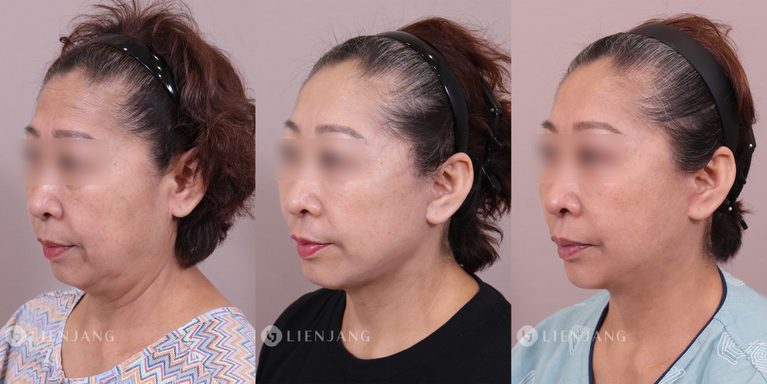
A surgical facelift excels at repositioning sagging lower-face tissue, defining the jawline (jowls), and smoothing neck bands. However, deep central nasolabial folds are caused by both skin laxity and localized midface fat pad volume loss.
For optimal central face rejuvenation, we frequently combine SMAS facelifting with structural micro-fat grafting, autologous regenerative therapy, or hyaluronic acid fillers to restore lost midface volume.
Q12. How many times in a lifetime can a person undergo a facelift?
There is no strict numerical limit on secondary or revision facelifts. However, repeated procedures involve navigating pre-existing scar tissue and altered surgical planes.
Success depends heavily on accurate anatomical dissection, skin elasticity, and surgical technique. A well-executed deep SMAS facelift typically delivers long-lasting structural elevation for 10 to 15 years before natural aging warrants non-surgical maintenance or touch-ups.
A Final Word from Dr. Jihwan Kim
“Facelift surgery is a delicate union of precise surgical anatomy and individualized healing biology. While surgical technique delivers 80% of your structural outcome, the remaining 20% relies on disciplined, attentive post-operative care.
Every face ages uniquely, and recovery timelines must be tailored to your specific skin thickness, health history, and surgical scope. Follow your surgeon’s custom post-op directives closely for a smooth, safe, and beautiful result.”
Lienjang Plastic Surgery & Anti-Aging Center | Gangnam-gu, Seoul, South Korea
For international patient inquiries or consultation scheduling, visit our official English portal.

Medical Disclaimer:The content provided on this blog is for informational and educational purposes only and does not constitute medical advice, diagnosis, or treatment. Individual surgical results may vary, and all medical or surgical procedures carry inherent risks. Always seek the advice of a qualified healthcare provider with any questions regarding a medical condition or treatment options.