Runner’s Face & Facial Aging: Why Running Causes Sagging and How to Prevent It
Runner’s Face
Running has exploded in popularity. Countless people run regularly for health maintenance, weight management, and stress relief. Indeed, running strengthens cardiovascular function and enhances systemic blood circulation, delivering numerous benefits not only to overall physical health but also to the skin.
However, many runners notice a surprising side effect: despite staying fit, their faces look hollower, sagging, or prematurely aged. This phenomenon is often referred to as “Runner’s Face.”
In this article, we explore the physiological link between running and facial aging, along with practical prevention strategies and advanced aesthetic interventions to keep your skin looking youthful.

The Aesthetic and Physiological Benefits of Running
Running is far more than simple aerobic exercise. Through specific anatomical and physiological mechanisms, moderation in running contributes significantly to maintaining a youthful face and resilient skin:
- Enhanced Systemic Circulation: Aerobic exercise increases cardiac output and peripheral blood flow. Improved microvascular circulation in the skin accelerates oxygen delivery and waste removal, enhancing skin tone and reducing edema.
- Cortisol Regulation: Running lowers cortisol (the stress hormone) while boosting endorphins and serotonin. Chronic stress weakens the skin barrier and promotes inflammatory pathways that accelerate aging; moderate exercise actively suppresses this process.
- Antioxidant Upregulation: Moderate aerobic exercise stimulates key endogenous antioxidant enzymes (SOD, catalase, glutathione peroxidase). These enzymes neutralize reactive oxygen species (ROS), preventing them from triggering matrix metalloproteinases (MMPs) that break down collagen and elastin.
- Extracellular Matrix (ECM) Regeneration: Regular endurance exercise promotes collagen synthesis in the dermis and increases glycosaminoglycans (GAGs, such as hyaluronic acid), optimizing moisture retention. Research shows that middle-aged individuals who exercise regularly exhibit increased dermal thickness and elasticity.
- Ligament and Fascial Support: The facial structure relies heavily on the skin, SMAS (Superficial Musculoaponeurotic System), and retaining ligaments. Appropriate mechanical loading from movement stimulates fibroblasts and triggers collagen remodeling, strengthening anatomical support structures to delay facial sagging.
The Dark Side: How Excessive Running Accelerates Aging
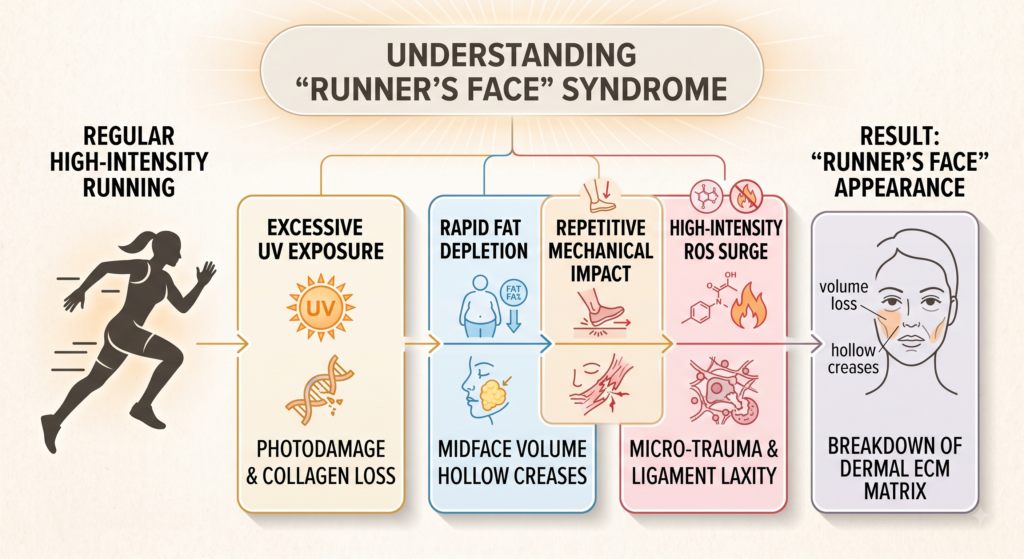
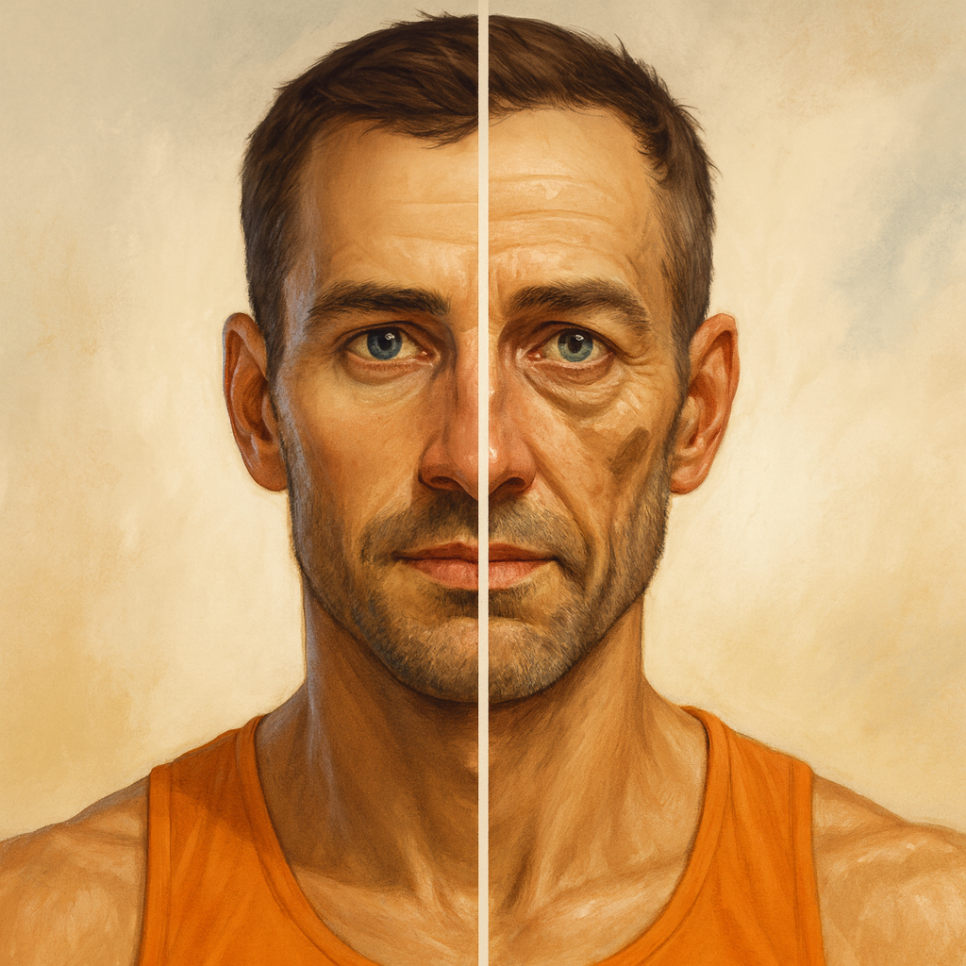
When running becomes excessive or prolonged without proper protection, it can turn into a major catalyst for premature facial aging—a condition known as Runner’s Face Syndrome.
Key Factors Behind “Runner’s Face”
- Facial Fat Pad Volume Loss: Rapid or significant weight loss depletes facial fat pads, causing deep hollowness and exposing underlying bony contours. Midface volume loss is one of the most prominent markers of premature aging.
- Cumulative Photodamage: Outdoor running exposes the face to persistent UVA and UVB radiation. UVA penetrates deep into the dermis to destroy collagen and elastin, while UVB damages the epidermis and causes hyperpigmentation. Studies indicate that 80–90% of visible skin aging is attributed to photoaging.
- Repetitive Mechanical Stress: The continuous vertical impact of long-distance running exerts mechanical shock on facial soft tissues. Over time, repeated micro-trauma and localized inflammation accelerate tissue laxity.
- Oxidative Stress Overflow: High-intensity exercise causes a sharp, temporary spike in reactive oxygen species (ROS). When ROS production outpaces the body’s antioxidant defenses, it leads to ECM degradation and accelerated tissue breakdown.
Exercise Intensity & Heart Rate Training Zones
Understanding heart rate zones is essential for balancing performance and aesthetic longevity. (Target Heart Rate = 220 − Age)
| Zone | Intensity | Physiological Characteristics | Impact on Facial Aging |
| Zone 1 (50–60%) | Recovery / Light Jog | Easy breathing, full conversation possible. | Ideal: Minimal stress, gentle circulation, low mechanical loading. |
| Zone 2 (60–70%) | Fat Burn / Base Endurance | Slightly elevated breathing, comfortable pace. | Optimal: Stable fat metabolism, upregulated antioxidants, minimal facial volume loss. |
| Zone 3 (70–80%) | Moderate / Aerobic | Conversation becomes difficult, heavy sweating. | Caution: Higher fatigue and elevated ROS; potential for cumulative dermal stress. |
| Zone 4 (80–90%) | High Intensity / Threshold | Short of breath, conversation impossible. | High Risk: Elevated cortisol, ROS surge, rapid calorie burn triggering volume loss. |
| Zone 5 (90–100%) | Maximum Sprint | Sustainable for only 1–2 minutes. | Avoid for Aesthetics: Extreme physical strain, severe oxidative stress, zero skin benefits. |
Why Zone 2 Training Protects Your Face
- Gradual Fat Utilization: Unlike high-intensity zones that cause rapid caloric deficits, Zone 2 promotes steady, controlled lipid metabolism, protecting delicate facial fat pads from sudden depletion.
- Balanced Antioxidant Response: ROS levels remain manageable while endogenous antioxidant enzymes (SOD, catalase) are fully activated, fostering optimal dermal renewal.
- Cortisol Suppression: Prevents high stress-hormone spikes that cause dermal thinning, barrier breakdown, and adult breakouts.
- Enhanced Ligament Tone: The controlled mechanical impact strengthens retaining ligaments and SMAS layers while improving lymphatic drainage to prevent facial puffiness.
Prevention & Daily Care Strategy
To enjoy running without compromising your facial aesthetics, adopt this structured preventive routine:
- Rigorous Photoprotection
- Sunscreen: Apply broad-spectrum SPF 30–50 / PA+++ 30 minutes before running. Reapply every 2 hours using water-resistant/sports formulas.
- Physical Barriers: Wear wide-brimmed caps, UV-blocking sunglasses, and breathable sports face masks to shield the cheekbones and periocular area.
- Topical Antioxidants: Layer Vitamin C, Vitamin E, or ferulic acid serums under sunscreen to neutralize UV-induced free radicals.
- Immediate Post-Run Cooling
- Calm flush and micro-inflammation immediately with cooling mists or sheet masks containing aloe vera, chamomile, or panthenol.
- Avoid direct ice application to prevent cold-induced vascular injury. Wash off sweat and grime using a low-pH, barrier-safe cleanser.
- Barrier Reconstruction & Hydration
- Replenish Transepidermal Water Loss (TEWL) using skin-identical lipids like ceramides, hyaluronic acid, and glycerin.
- Incorporate Niacinamide to boost filaggrin synthesis and soothe post-exercise erythema.
- Internal Nutrition & Hydration
- Hydration & Electrolytes: Prevent micro-circulatory stagnation by staying hydrated before, during, and after exercise.
- Nutritional Support: Consume high-quality amino acids and hydrolysed collagen peptides to supply the building blocks for ECM repair. Supplement with Omega-3s, Astaxanthin, and CoQ10 to manage exercise-induced inflammation.
Medical & Aesthetic Interventions for Runners
When exercise and over-the-counter skincares are not enough to offset facial volume loss or structural sagging, targeted medical interventions can restore harmony.
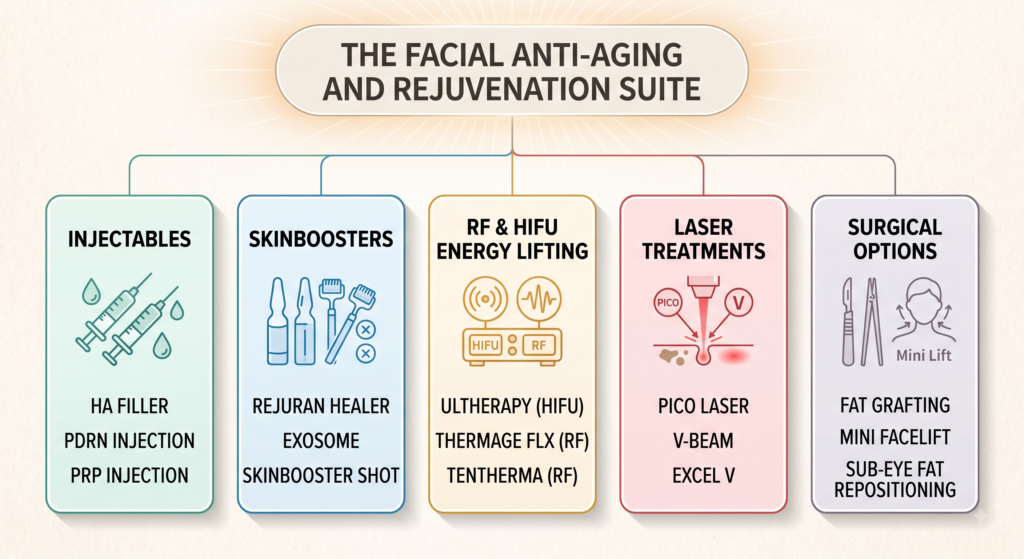
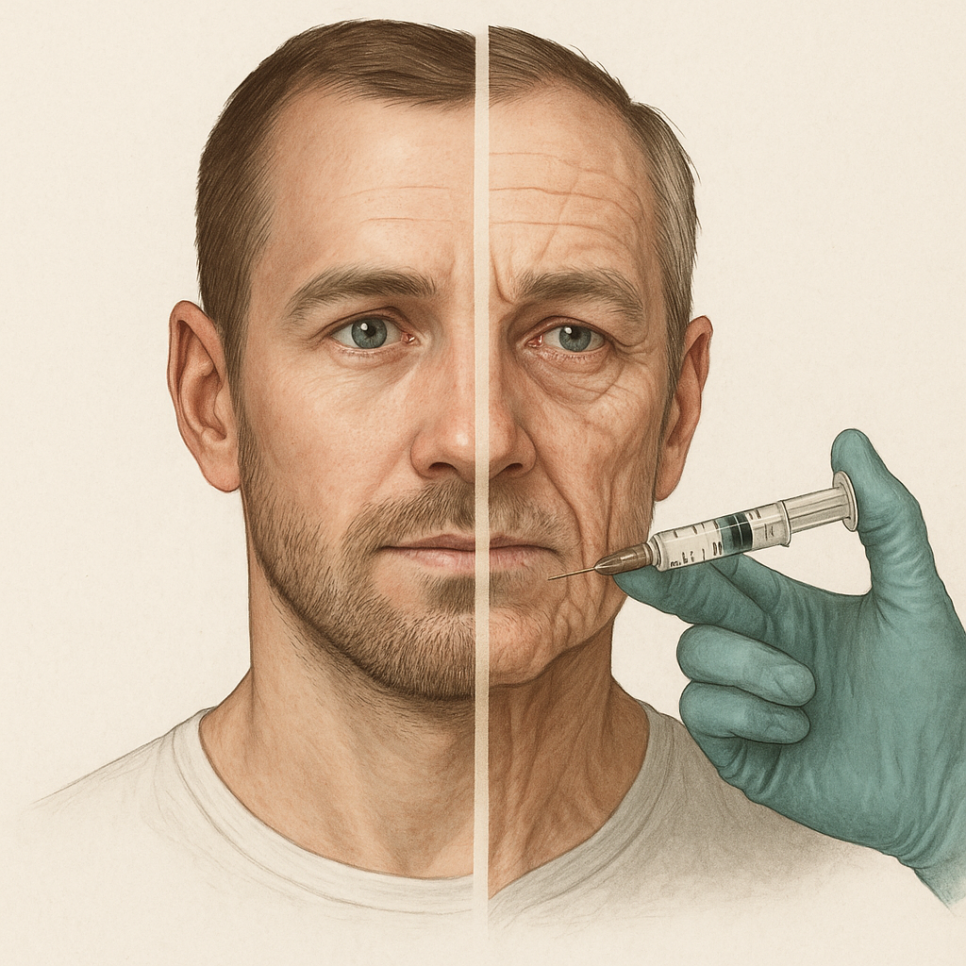
1. Multi-Layer Injectable Therapy (HA + PDRN + PRP)
- Hyaluronic Acid (HA): Restores lost volume in hollow midface regions and provides intense dermal hydration.
- PDRN (Polydeoxyribonucleotide): Promotes angiogenesis, cellular regeneration, and tissue healing to reverse exercise-induced micro-stress.
- PRP (Platelet-Rich Plasma): Delivers concentrated growth factors (PDGF, VEGF, TGF-β) to stimulate endogenous collagen remodeling and thicken the dermis.
2. Dermal Regenerative Skinboosters
- Rejuran Healer: Polynucleotide (PN) injections that repair damaged skin barriers, improve fine lines, and restore dermal elasticity.
- Exosome Therapy: Enhances intercellular signaling to soothe chronic inflammation and accelerate cellular recovery after environmental stress.
3. Non-Invasive Energy-Based Lifting (HIFU & RF)
- HIFU (e.g., Ultherapy): Delivers focused ultrasound energy to the SMAS layer, creating micro-thermal coagulation points that tighten lax retaining ligaments.
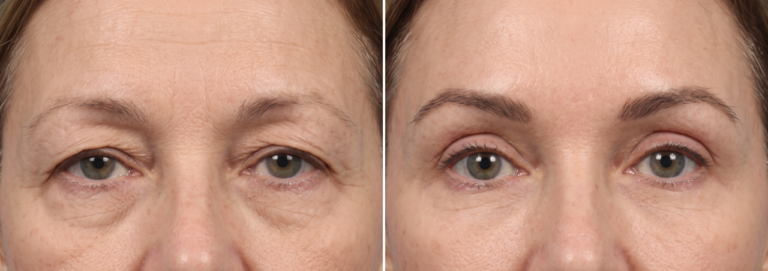
- Monopolar RF (e.g., Thermage FLX ): Heats the deep dermis to induce immediate collagen contraction and long-term structural remodeling, refining skin texture and firming loose tissue.


4. Pigment & Vascular Lasers
- Pico Laser: Breaks down photodamage-induced hyperpigmentation while encouraging dermal matrix renewal.
- V-Beam / Vascular Lasers: Targets expanded capillaries and chronic facial redness caused by heat and UV exposure during outdoor runs.


5. Regenerative Autologous Fat Grafting
- Restores sunken cheeks, deep nasolabial folds, and temporal hollows caused by running-induced fat depletion. Utilizing Nanofat or Stem Cell-Enriched Fat offers both natural volume restoration and overall skin quality rejuvenation.
6. Endoscopic Mini Facelift
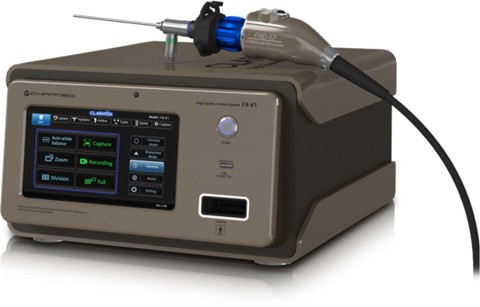
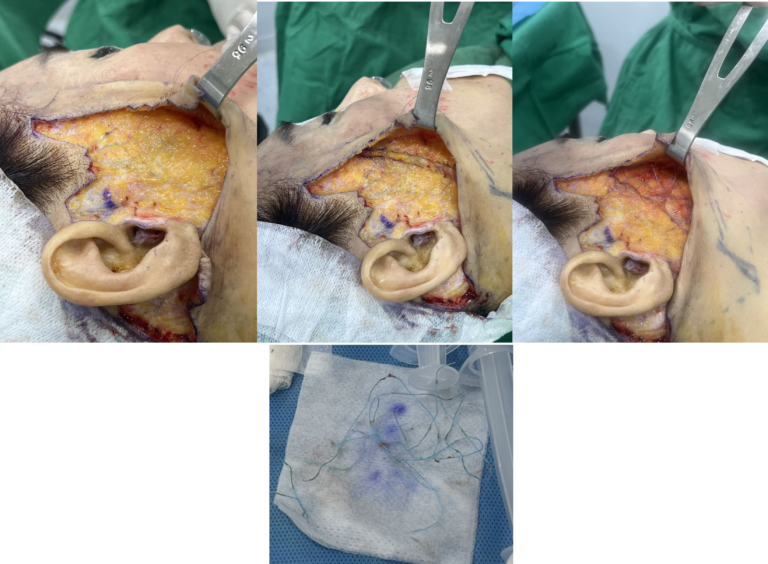
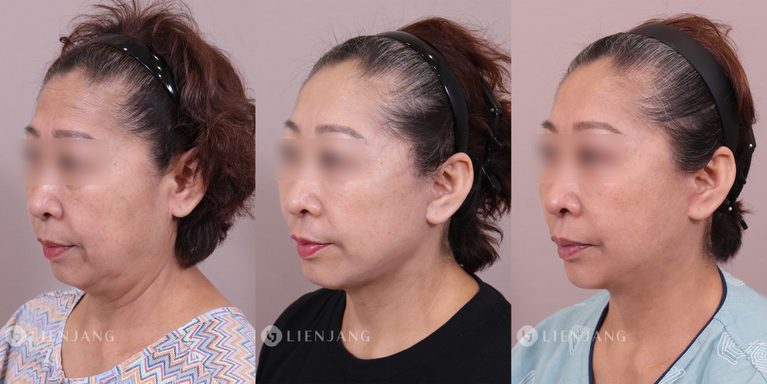
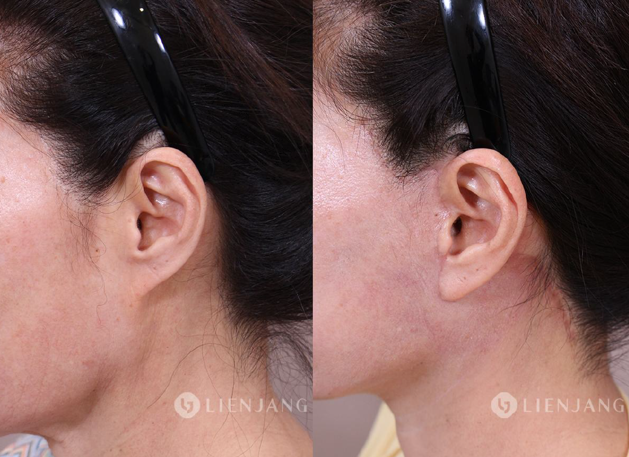
- For active individuals experiencing noticeable SMAS and ligament sagging due to years of outdoor running, a Mini Facelift or Endoscopic Lift offers an effective solution. Performed through minimal incisions around the hairline or ear, it repositions sagging tissue with minimal downtime.
Conclusion
Running in moderation remains one of the finest habits for enhancing cardiovascular health, boosting mood, and promoting skin vitality. However, without structural protection and controlled training intensity, high-volume outdoor running can lead to irreversible facial volume loss and premature sagging.
Just as athletes protect their knees and joints, dedicated runners should take a proactive approach to facial structure care. Combining Zone 2 training, rigorous sun protection, and targeted aesthetic treatments allows you to preserve your athletic lifestyle without sacrificing a youthful appearance.

Medical Disclaimer:The content provided on this blog is for informational and educational purposes only and does not constitute medical advice, diagnosis, or treatment. Individual surgical results may vary, and all medical or surgical procedures carry inherent risks. Always seek the advice of a qualified healthcare provider with any questions regarding a medical condition or treatment options.