[Case Review] Deep Plane Facelift and Advanced Neck Lift for a 60-Year-Old Male: Restoring a Defined Jawline and Youthful Contour
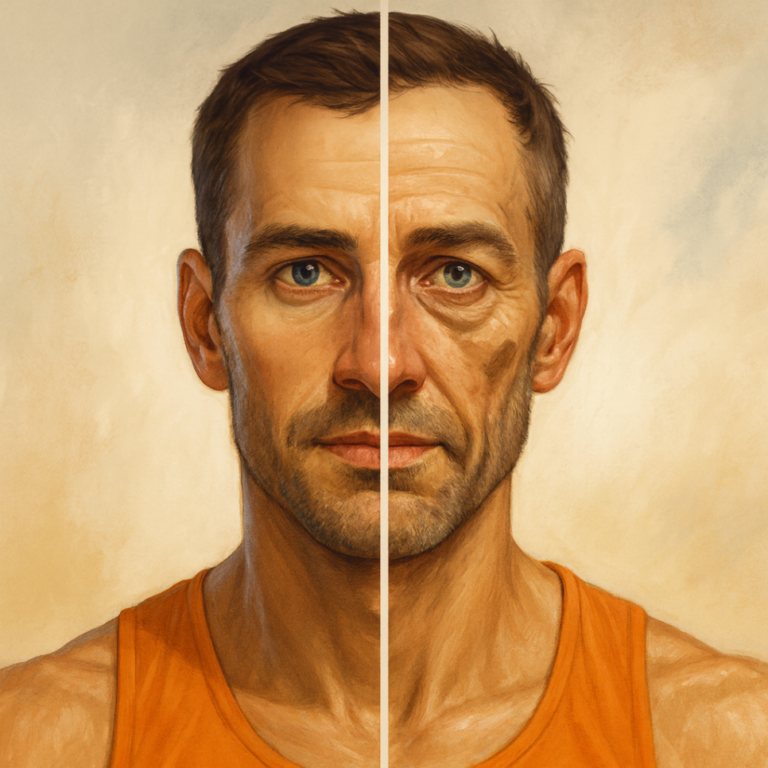
As men age, facial sagging and structural changes present unique challenges that require a customized approach—taking into account thicker skin, facial hair lines, and underlying skeletal structures. Recently, I treated a 60-year-old male patient who presented with severe jowls and a heavy double chin, which made him look fatigued and older than his years.
Here is a detailed look at how I designed a comprehensive, multi-layered lifting plan tailored to his anatomical features.
[Legal & Ethical Notice] All patient photographs and clinical data utilized in this post were captured and published with the patient’s explicit, voluntary consent in accordance with medical law and regulatory compliance. Unauthorized duplication or distribution is strictly prohibited.
1. Pre-operative Evaluation and Patient Concerns
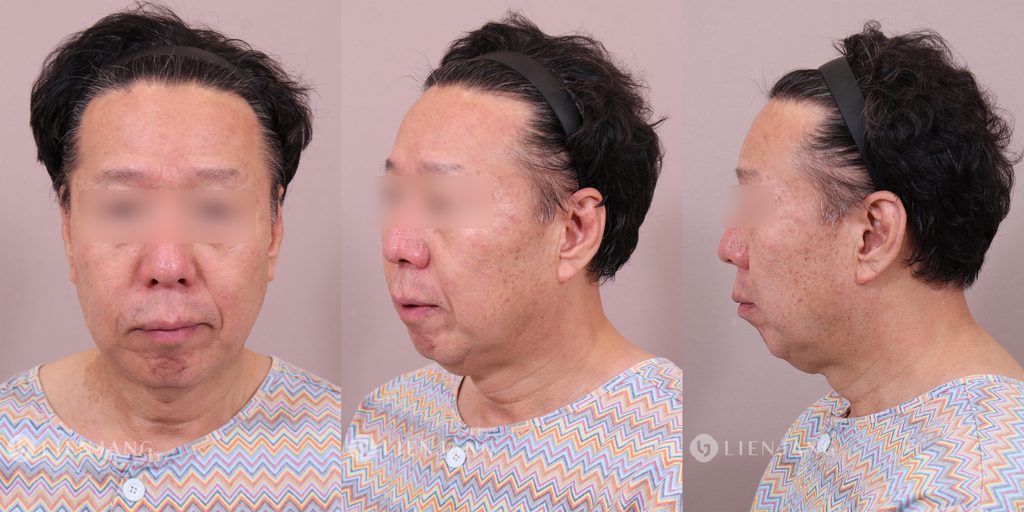
The patient’s main concerns included:
- Primary Complaints: Deep nasolabial folds, marionette lines, sagging jowls, neck laxity, and upper/lower periorbital (eyelid) sagging.
- The Core Aging Factor: The most pronounced aging sign was a severe submental descent (double chin) and the total loss of a defined jawline, which heavily contributed to a tired appearance.
- Forehead & Brow Condition: Due to heavy brow drooping, the patient unconsciously relied on his forehead muscles to keep his eyes open, leading to deep forehead wrinkles.
2. Tailored Surgical Strategy
Recognizing the distinct anatomical characteristics of male aging, I established a comprehensive surgical plan:
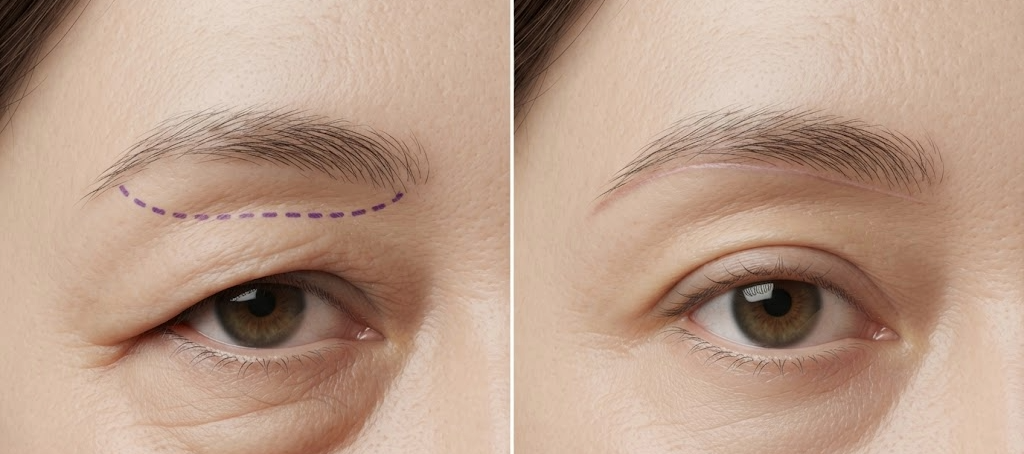
① Upper Face: Subbrow Lift (Subbrow Blepharoplasty)
While a forehead lift is an excellent procedure, my patient already had a high hairline and a receding frontal hairline. Performing a forehead lift would have pushed his hairline further back. Instead, I performed a subbrow lift to correct upper eyelid drooping while perfectly preserving his natural eye shape and hairline.
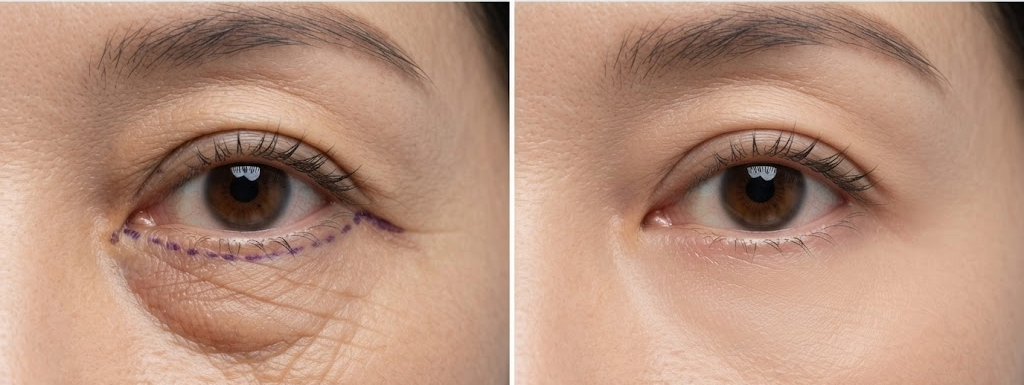
② Lower Eyelids: Lower Blepharoplasty
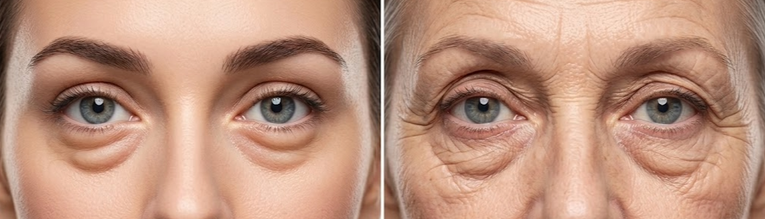
To eliminate under-eye bags and smooth out lower eyelid wrinkles, I precisely excised excess skin and repositioned and neatened the protruding orbital fat.
③ Mid-to-Lower Face: Deep Plane Facelift & Customized Incisions
To fundamentally correct downward facial elongation, I performed a Deep Plane Facelift, mobilizing and elevating the deep facial tissues from the mid-face downward.
- Incision Design: To prevent the already high hairline from receding further, I placed incisions along the temporal hairline. Additionally, considering male beard lines, I utilized a pretragal incision to ensure scars remain inconspicuous.

④ Submental and Neck Rejuvenation: Deep Neck Lift & Chin Implant
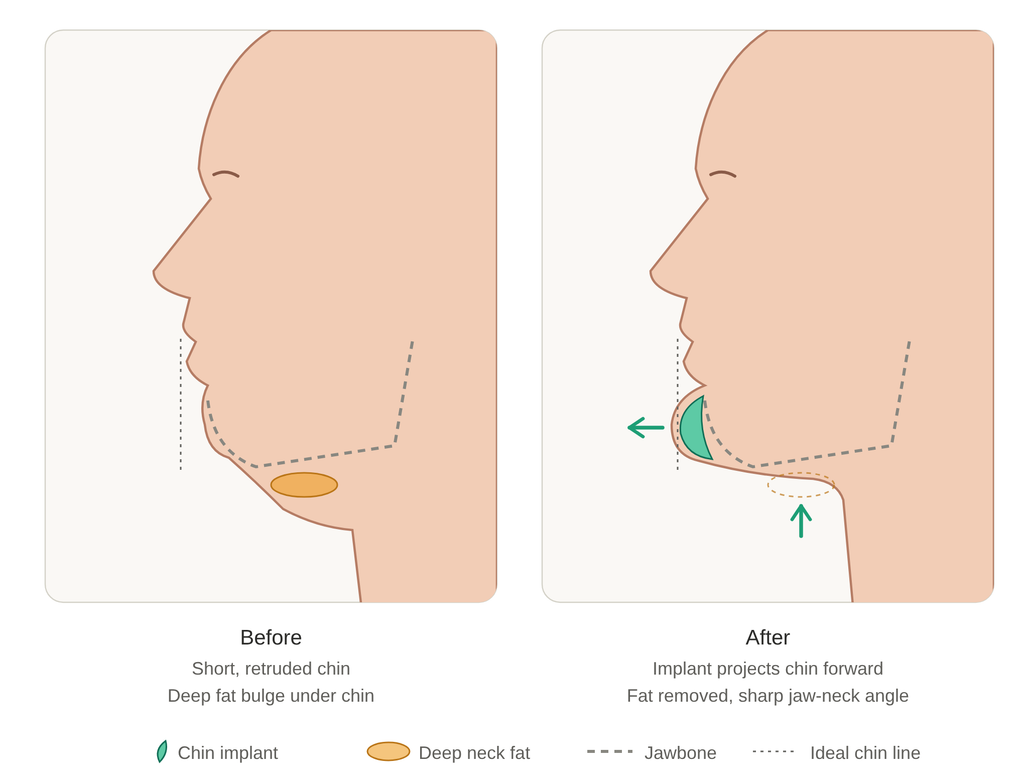
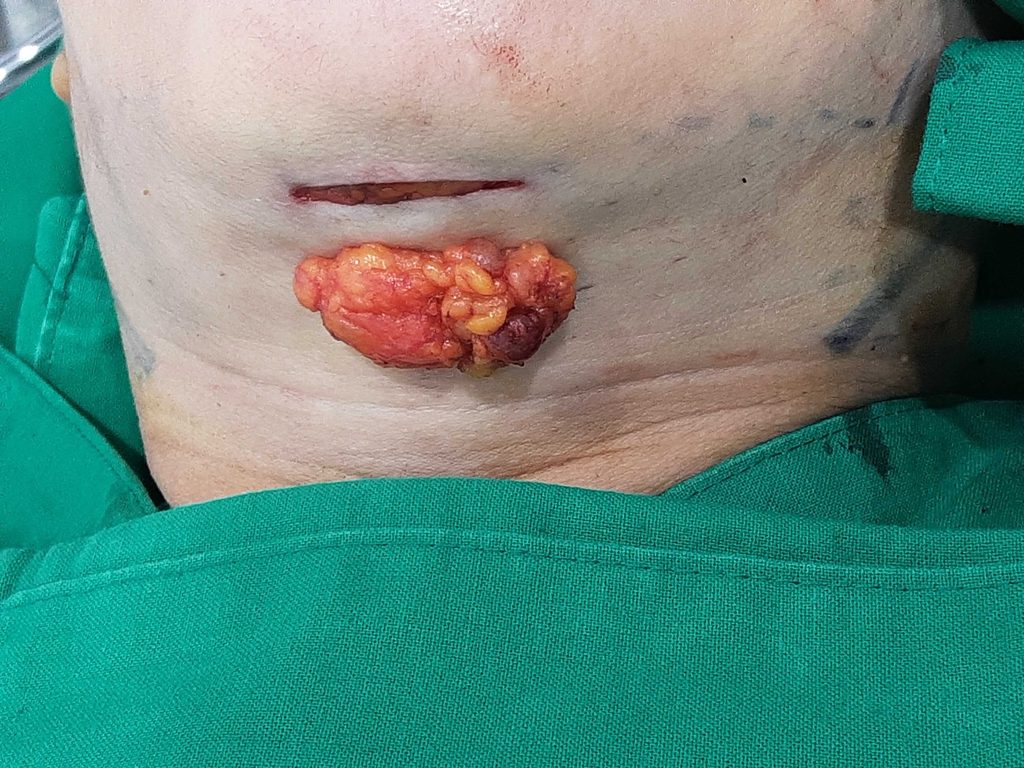
- Ultrasound Diagnostics: My ultrasound evaluation revealed that while subcutaneous fat was minimal, the patient had a large volume of subplatysmal fat (deep fat) and severe laxity of the platysma muscle. Furthermore, a retrognathic (small and receding) jawbone aggravated the double chin appearance.
- Surgical Approach:
- Through a submental incision, I accessed the platysma muscle, removed the deep fat, and performed debulking of the anterior belly of the digastric muscle, effectively reducing volume from both the deep fat and deep muscles.
- To improve profile projection, I inserted a custom-sized, natural silicone chin implant to gently project the chin forward.
- Finally, I securely anchored the platysma muscle to the mastoid fascia (periosteal structure) in a hammock-like fashion to sharpen the jawline.
3. 1-Month Post-operative Recovery and Progress
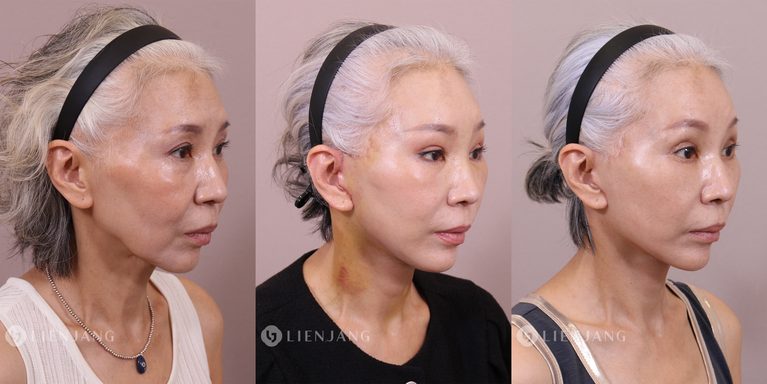
At one month post-op, mild residual swelling remains—particularly concentrated in the lower face and neck region—along with early-stage, faint scars.
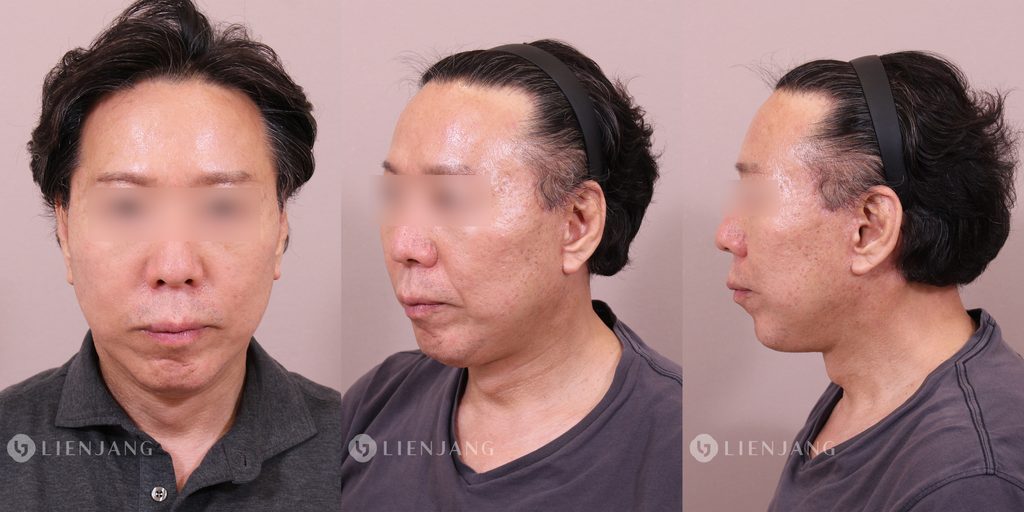
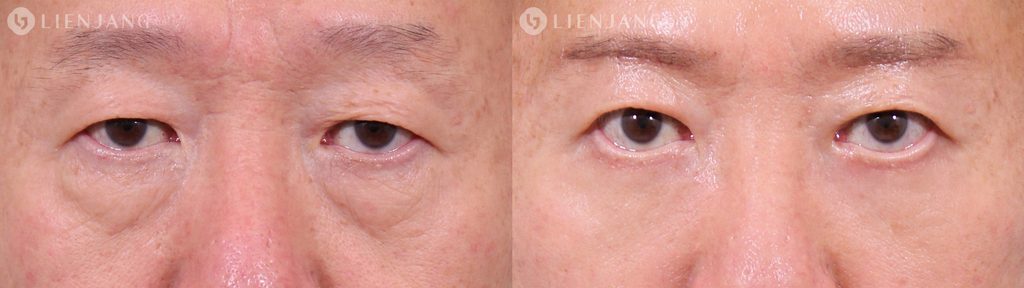
- Eyes and Upper Face: With easier eyelid elevation, my patient no longer needs to strain his forehead muscles, resulting in smoother forehead lines and a relaxed eyebrow position. Under-eye bags are gone, though minor early eyelid retraction may appear due to a combination of swelling and initial tissue healing, which gradually resolves over time.
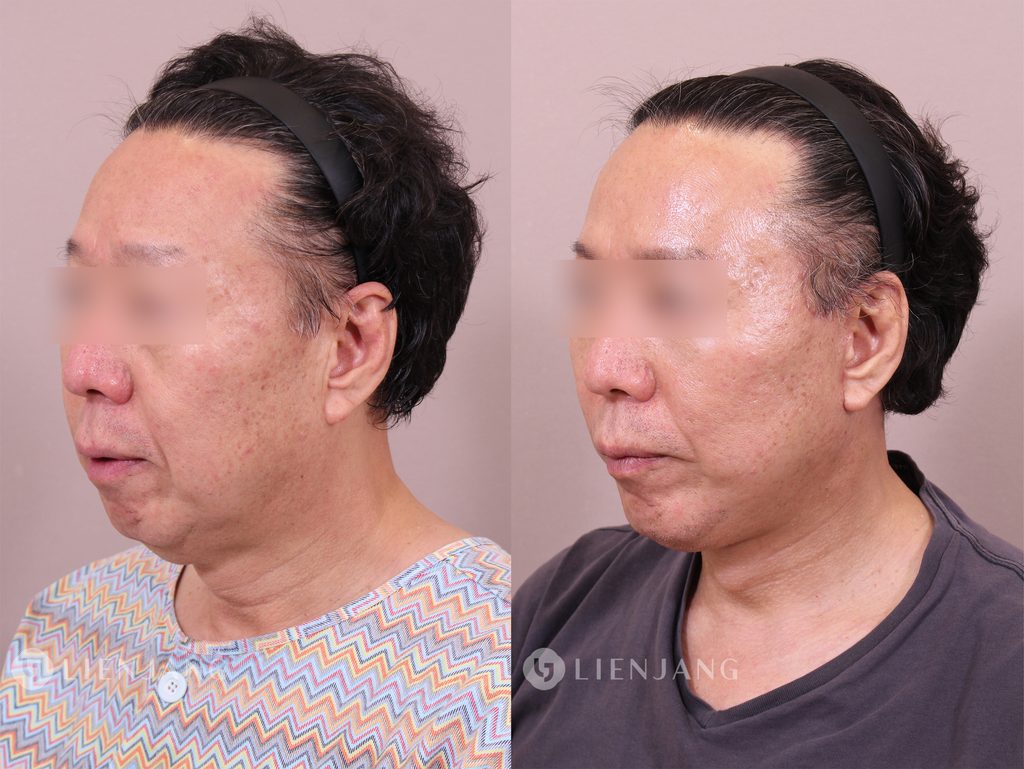
- Facial Contours: Deep nasolabial folds have been softened, and the previously elongated facial shape appears shorter, more balanced, and vibrant.
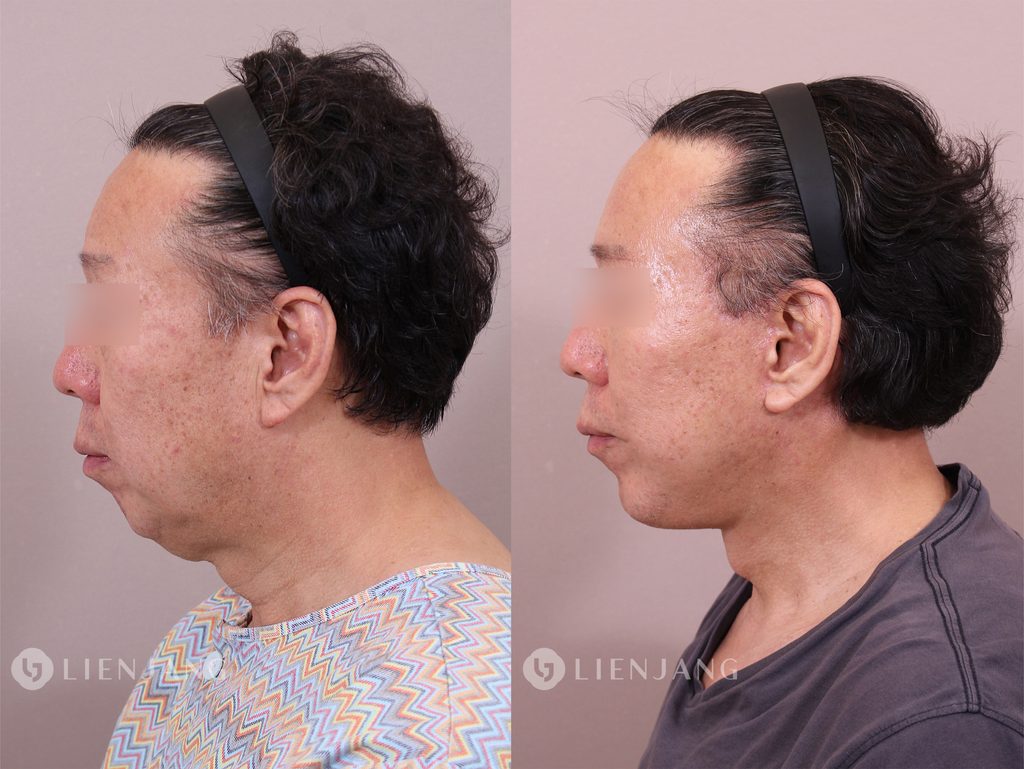
- Jawline and Neck: This represents the most dramatic improvement. The destroyed jawline has been restored with a clear boundary between the neck and jaw. As the remaining swelling subsides over the coming months, an even more defined contour will emerge.
- Scars: Incision lines are still visible upon close inspection, but are healing exceptionally well without any distortion to the ear shape or hairline.

💡 Conclusion: The Key to Male Facelift Surgery
Rejuvenation for men in their 60s cannot rely on simple skin tension alone. It requires an accurate diagnosis of male skin thickness, beard line placement, and most importantly, the deep structural causes of a double chin—namely subplatysmal fat, muscle laxity, and skeletal framework.
By carefully combining hair-preserving incisions, natural eye preservation, and deep-layer neck correction, I was able to help this mature male patient achieve a refreshed, masculine, and naturally youthful facial contour without an operated look.
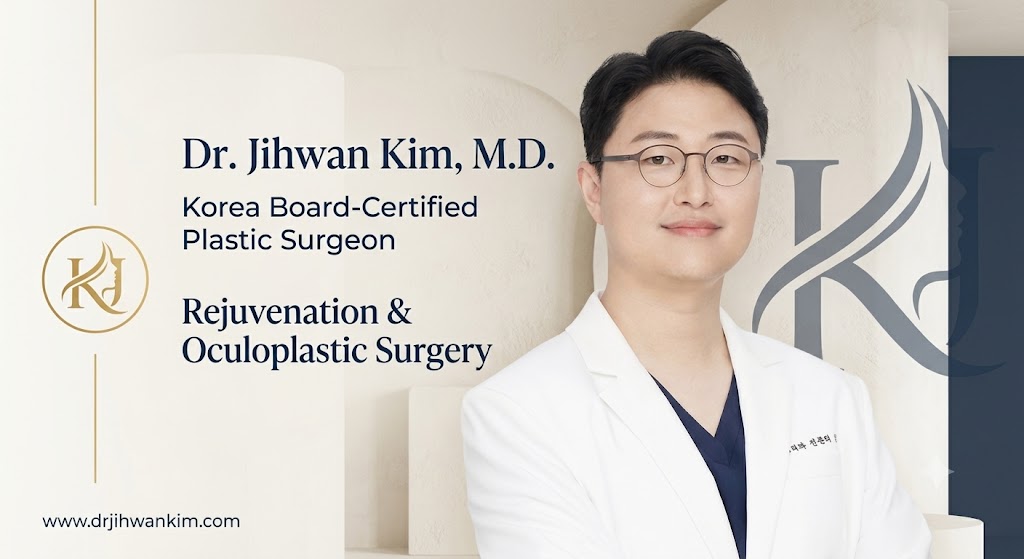
Dedicated to delivering safe, natural, and refined aesthetic results backed by extensive clinical expertise


Medical Disclaimer:The content provided on this blog is for informational and educational purposes only and does not constitute medical advice, diagnosis, or treatment. Individual surgical results may vary, and all medical or surgical procedures carry inherent risks. Always seek the advice of a qualified healthcare provider with any questions regarding a medical condition or treatment options.