Hyperbaric Oxygen Therapy (HBOT) in Facelift & Facial Rejuvenation: The Clinical Game-Changer
While often generalized as a wellness treatment, Hyperbaric Oxygen Therapy (HBOT) is, in reality, a powerful adjunctive clinical modality with a rigorous physiological foundation. In the context of extensive facial rejuvenation surgery—such as SMAS, Deep Plane facelifts, and neck lifts—its application is not merely about managing symptoms like swelling; it is crucial for ensuring the stability of surgical flaps, optimizing healing in compromised patients, and achieving superior aesthetic scar quality.
This in-depth analysis will dissect the underlying science, historical context, and specific clinical necessities of Hyperbaric oxygen therapy for advanced facelift surgery.
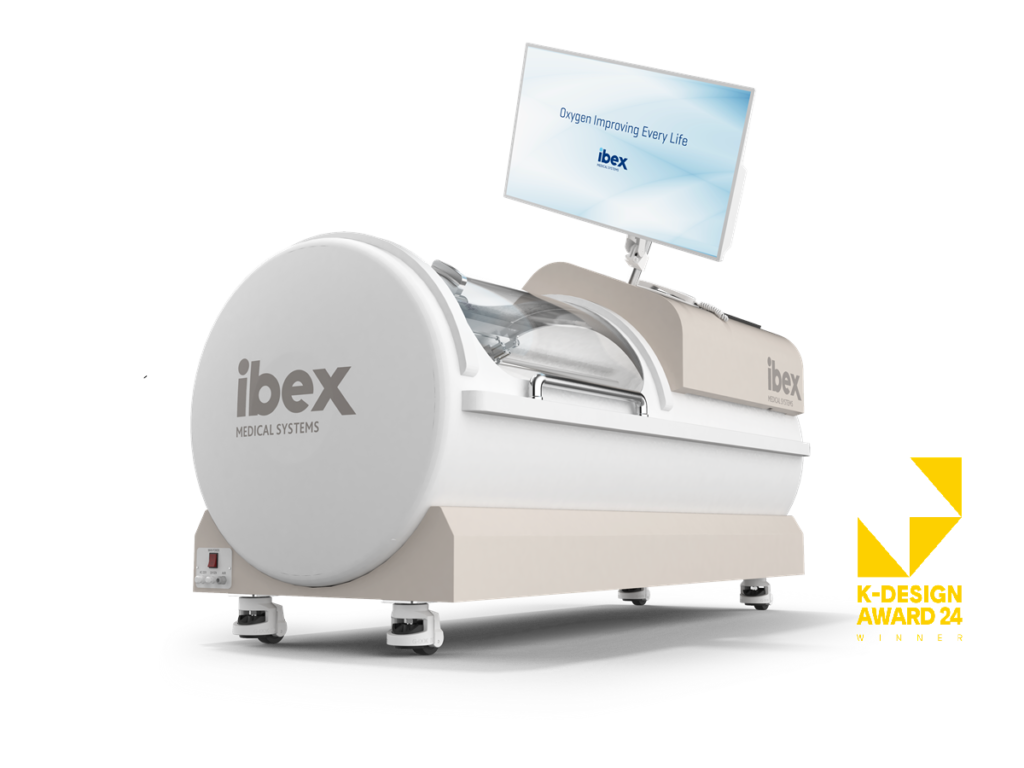
IBEX Light3
I. Understanding the Physiological Leap: Why Simple Respiration is Insufficient
A. The Saturation Ceiling of Hemoglobin
Under standard environmental conditions (1 ATA / 760 mmHg), a healthy individual breathes ambient air with approximately 21% oxygen. In this state, the oxygen is almost entirely (97–99%) transported by the hemoglobin in red blood cells. Hemoglobin has a maximal binding capacity; it is already saturated.
Therefore, providing extra oxygen via deep breathing or standard masks (even with 100% $O_2$ at 1 ATA) only provides a marginal increase in arterial oxygen content. This level is insufficient to drive oxygen deep into tissues that have been surgically manipulated, where local microcirculation has been temporarily severed.
B. The Science of Dissolved Oxygen: Henry’s Law
The true clinical power of Hyperbaric oxygen therapy lies not in the red blood cells, but in the blood plasma. HBOT operates on Henry’s Law, which states that the solubility of a gas in a liquid is directly proportional to its partial pressure.
When a patient is placed inside a hard-shell chamber (typically 2.0 to 2.5 ATA) and inhales 100% medical-grade oxygen:
- Arterial Oxygen Tension (PaO_2) can soar from a baseline of ~100 mmHg to over 1,500–1,900 mmHg.
- This creates a massive pressure gradient that forces high-density molecular oxygen to dissolve directly into the blood plasma.
- Physically Dissolved Plasma Oxygen increases from a meager 0.3 ml/dL to 5–6 ml/dL—enough to sustain human metabolism even in the absolute absence of hemoglobin transport.
C. Diffusion Radius and Plasma Mobility
Unlike red blood cells, which must traverse capillary diameters, dissolved plasma can diffuse independently across compromised tissues. Hyperbaric oxygen therapy increases the diffusion radius of oxygen from the capillary, allowing it to penetrate deep into ischemic sub-SMAS pockets and distal flap margins that standard microcirculation cannot reach.
II. Historical Evolution: From Survival to Aesthetics
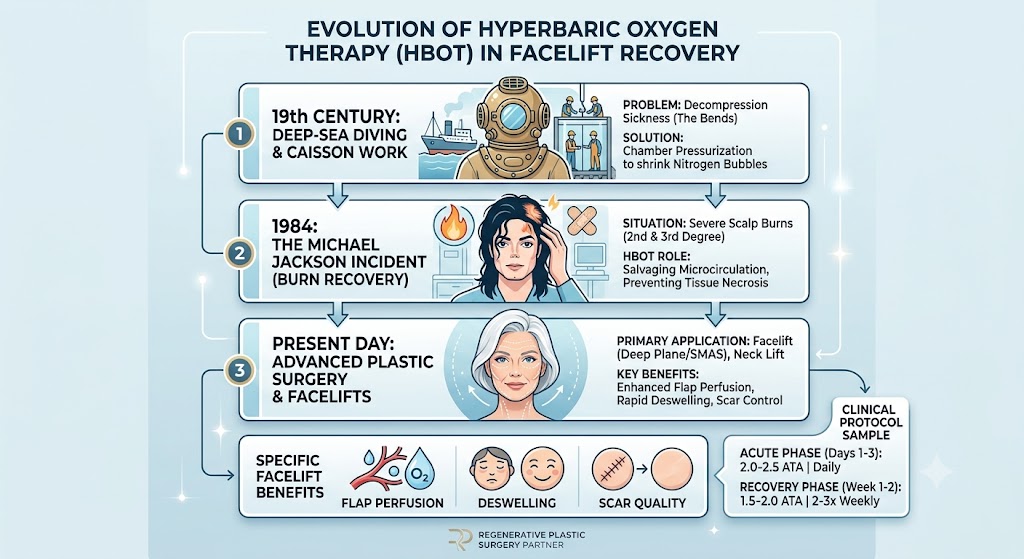
From Survival to Aesthetics
A. The Maritime Origins (Decompression Medicine)
The trajectory of HBOT began not as a luxury but as a life-saving necessity. In the 19th and early 20th centuries, deep-sea divers and workers in pressurized caissons (for bridge building) faced the crippling and often fatal Decompression Sickness (“the bends”).
Rapid ascent from depth caused nitrogen, which had dissolved under pressure, to form inert gas bubbles in the bloodstream and tissues upon decompression. These bubbles acted as micro-emboli, blocking blood flow and causing excruciating pain, paralysis, and death.

In the 1930s, the U.S. Navy formalized the standard treatment using hyperbaric chambers:
- Boyle’s Law (Physical Bubble Compression): High pressure (usually at a simulated depth of 60 feet or ~2.8 ATA) physically compresses the nitrogen bubbles, immediately reducing their volume and alleviating mechanical blockages.
- Oxygen Pre-breathing (Gas Washout): Inhaling 100% oxygen at this depth creates a steep nitrogen-washout gradient, replacing the nitrogen with oxygen which the body can metabolize, safely clearing the inert gas.
This established the primary mechanisms of bubble clearance and severe ischemia relief.
B. The Michael Jackson Turning Point: A Case Study in Flap Salvage
In 1986, the public perception of Hyperbaric oxygen therapy shifted dramatically due to a single photograph. The image of pop star Michael Jackson resting in a transparent chamber fueled sensationalist “anti-aging” rumors, which often still shadow Hyperbaric oxygen therapy today.
However, the medical truth provides a definitive example of HBOT’s clinical efficacy in ischemic tissue salvage:
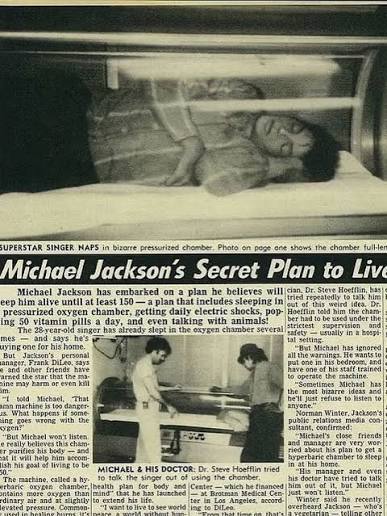
- 1984 Incident: Jackson suffered second- and third-degree scalp burns during a fireworks explosion on a commercial set.
- The Clinical Need: Severe burn injuries destroy microvascular networks. Scalp reconstruction often involves extensive tissue rotation or flap creation, making the area highly susceptible to ischemic necrosis (tissue death due to lack of blood).
- The Application: He was treated at the Brotman Medical Center’s Burn Unit with medical-grade HBOT. The therapy was not a frivolous pursuit but a mandatory protocol to:
- Preserve the microvascularity of the scalp around hair follicles.
- Sustain tissue perfusion in the crucial “golden window” before collateral blood vessels could form.
- Prevent flap loss and extensive scarring.
This incident, though misinterpreted by the media, perfectly illustrated HBOT’s role as the “structural guardian” of compromised microcirculation.
III. HBOT in Advanced Facial Rejuvenation: The Ultimate Clinical Rationale
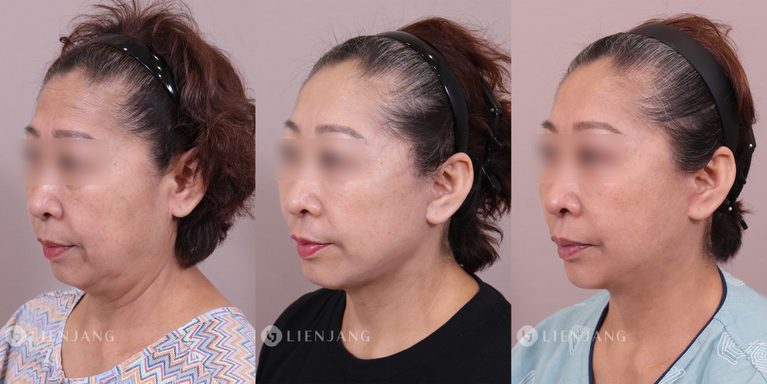
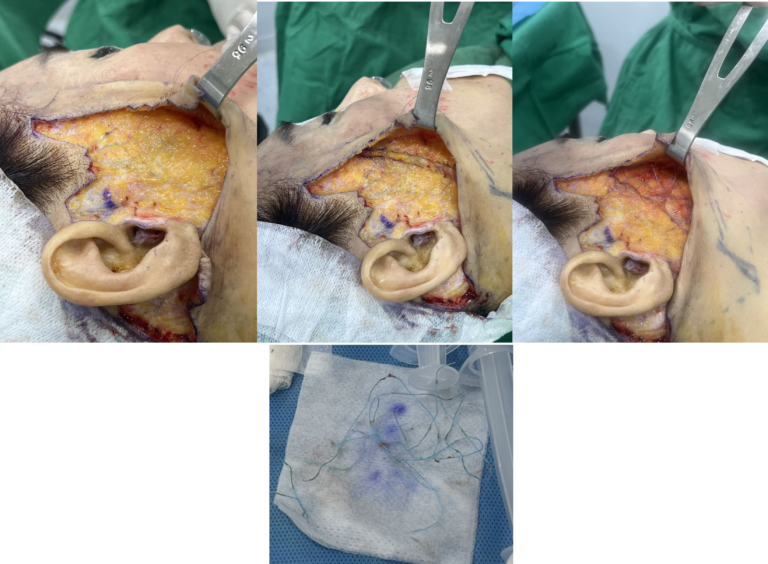
Modern facelifts, especially SMAS, Deep Plane, and extended neck lifts, are profound surgical undertakings. They require extensive Subcutaneous and sub-SMAS (Superficial Musculo-Aponeurotic System) dissection, the ligamentous release of retaining ligaments, and significant redraping of tissue planes. These procedures temporarily sever the crucial perforating and subcutaneous capillary networks.
HBOT is vital for three sophisticated, non-negotiable reasons:

Hyperbaric oxygen therapy (HBOT) may support healing after facelift surgery by increasing oxygen availability in compromised tissues, helping reduce postoperative edema, and supporting oxygen-dependent collagen synthesis. These mechanisms may be particularly relevant when tissue perfusion is compromised, including in selected high-risk or revision cases.
1. Prevention of Distal Flap Margins and Skin Necrosis
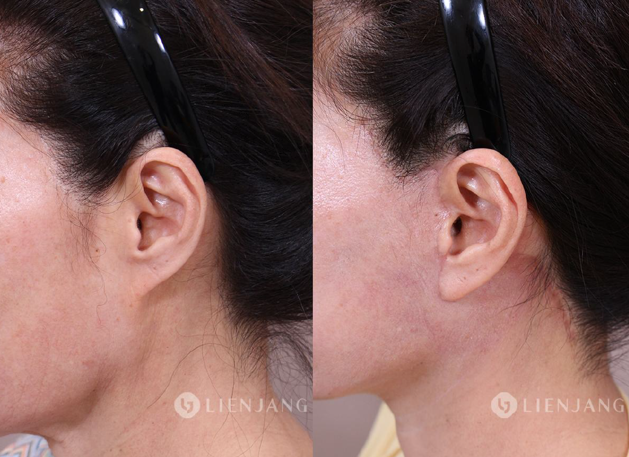
The greatest fear in facial rejuvenation is necrosis, particularly at the distal edges of the surgical flap—around the ear incisions (pre-auricular, retro-auricular, and earlobe) and the hairline.
The problem is local Hypoxia (low oxygen). In high-risk groups (e.g., former or current smokers, diabetic patients, or revision facelift cases where scar tissue impairs new vessel growth), standard circulation is already compromised. HBOT circumvents this:
- Dissolved Oxygen Delivery: The massive infusion of dissolved oxygen in the plasma penetrates directly into these distant, under-perfused margins without needing functional capillaries.
- Ischemic Defense: It provides a physiological “bridge,” sustaining cell viability until microvascular reorganization can occur, effectively preventing flap dehiscence and catastrophic necrosis.
2. Accelerated Lymphatic Decongestion and Edema Resolution
Post-operative swelling (edema) and bruising (hematoma/seroma risks) are significant contributors to prolonged downtime (Downtime). Swelling is not just an aesthetic issue; it compresses existing microcirculation, exacerbating hypoxia.
HBOT treats edema through two powerful, paradoxical mechanisms:
- Hyperoxic Vasoconstriction: Elevated tissue oxygen tension induces a temporary, physiological narrowing (vasoconstriction) of normal arteriolar vessels (by ~20%). This decreases the capillary hydrostatic pressure that causes fluid to leak into the tissue spaces (Edema).
- Enhanced Perfusion: Paradoxically, while vessels constrict, tissue oxygen delivery increases 10-15x due to plasma saturation. The result is oxygen-rich perfusion with simultaneously reduced fluid volume, promoting rapid lymphatic clearance and dramatic swelling reduction.
3. Optimization of Collagen Cross-linking and Scar Quality
Facelifts involve extensive incision lines around highly visible areas. The structural integrity of the healing wound depends entirely on fibroblasts synthesizing collagen.
This process requires a strict threshold of oxygen:
- Cofactor for Synthesis: Oxygen is an obligatory cofactor for the enzymes prolyl and lysyl hydroxylase, which are responsible for the hydroxylation of proline and lysine residues during collagen formation. This step is critical for the triple-helix cross-linking that gives a scar its tensile strength.
- Hyperoxia Stimulation: Alternating hyperoxia (HBOT treatments) and normoxia acts as a stimulant, activating VEGF (Vascular Endothelial Growth Factor) and encouraging fibroblast proliferation and faster epithelialization. This ensures incisions heal with high structural integrity and the lowest possible risk of widening or hypertrophic scarring (Bitter-like scarring).
IV. Post-Facelift HBOT Clinical Protocol
While individual protocols are customized, a standard medical-grade regimen for advanced facelifts is:
Phase I: Acute Ischemic Defense (Days 1–3)
- Chamber Pressure: 2.0 ~ 2.5 ATA
- Oxygen Duration: 60–90 minutes
- Frequency: Daily (started within 24 hours post-op)
- Goal: Maximize plasma oxygen to prevent distal flap necrosis, arrest inflammatory edema cascade, and protect high-risk tissue.
Phase II: Regenerative Maturation & Bruise Clearance (Days 4–14)
- Chamber Pressure: 1.5 ~ 2.0 ATA
- Oxygen Duration: 60 minutes
- Frequency: 2–3x weekly
- Goal: Stimulate VEGF-mediated angiogenesis, promote collagen triple-helix cross-linking, and accelerate clearance of bruising and fluid.
V. Important Clinical Clarifications: “Medical Grade” vs. “Wellness Soft Chambers”
This depth of clinical efficacy cannot be achieved with low-pressure soft chambers (mHBOT) that operate at 1.3 ATA and use oxygen concentrators.
Soft chambers:
- Chamber Pressure: Too low to dissolve significant oxygen into the plasma (Henry’s Law).
- Oxygen Source: Standard concentrators deliver only 90–95% oxygen, further reducing the efficiency compared to 100% medical-grade liquid oxygen.
True medical-grade hard-shell chambers, delivering 100% oxygen at pressures from 1.5 to 3.0 ATA, are the only validated modality for microvascular salvage, profound anti-edema effects, and angiogenesis stimulation in surgical tissues.
Q: Is hyperbaric oxygen therapy painful after a facelift?
A: No. Patients rest comfortably inside a climate-controlled, transparent chamber. The only sensation is a mild ear fullness during pressurization, similar to the descent in an airplane, which is easily cleared by swallowing or yawning.
Q: How soon after facelift surgery should HBOT begin?
A: Starting HBOT within 24 to 48 hours post-surgery yields the best clinical outcomes. This early window is critical for rescuing under-perfused distal flap margins and stopping inflammatory fluid cascade before swelling peaks.
Q: Can mild hyperbaric chambers (1.3 ATA soft chambers) replace medical-grade HBOT?
A: Mild chambers (mHBOT) operating at 1.3 ATA with ambient air concentrate only modest oxygen amounts. True clinical flap salvage, vasoconstrictive anti-edema effects, and angiogenesis stimulation require hard-shell medical chambers delivering 100% oxygen at pressures between 1.5 and 2.5 ATA.
Conclusion
Hyperbaric Oxygen Therapy, originally established to save the lives of deep-sea divers, has evolved into an essential, advanced tool in the plastic surgeon’s armamentarium. For extensive facial rejuvenation like facelifts, its role is not discretionary; it is foundational. By providing direct plasma oxygen delivery to ischemic tissues, suppressing fluid cascades, and optimizing collagen formation, HBOT ensures surgical stability in high-risk scenarios, drastically reduces downtime, and elevates the final aesthetic result from excellent to exceptional.

Medical Disclaimer:The content provided on this blog is for informational and educational purposes only and does not constitute medical advice, diagnosis, or treatment. Individual surgical results may vary, and all medical or surgical procedures carry inherent risks. Always seek the advice of a qualified healthcare provider with any questions regarding a medical condition or treatment options.